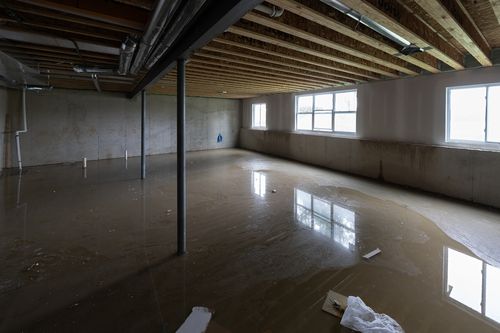
A basement can take on several inches of water in under an hour. In Oakland County that water usually arrives one of three ways. A sump pump quits during a storm. A supply line splits behind a finished wall. Or a loaded city sewer pushes back up through a floor drain. What you do in the next 48 hours decides most of your final bill. This guide covers basement flood cleanup Oakland County homeowners face, from the first hour through the insurance claim.
Key Takeaways
- ›Dry everything within 24 to 48 hours, or assume mold has already started.
- ›Most professional cleanups land between $2,000 and $7,000, and sewage jobs run higher.
- ›Standard Michigan policies exclude rain, seepage and sewer backup unless you bought the add-on.
- ›If a public sewer caused it, Michigan gives you 45 days to file written notice.
The First 24 Hours in a Flooded Oakland County Basement
Make the Space Safe Before You Walk In
Do not step into standing water that touches outlets, cords or the electrical panel. Shut the power off from a dry spot upstairs instead. If you smell rotten eggs near the furnace or water heater, leave the house. Call the gas utility from outside. Then put on rubber boots, heavy gloves, goggles and an N95 mask.
Stop the Water at Its Source
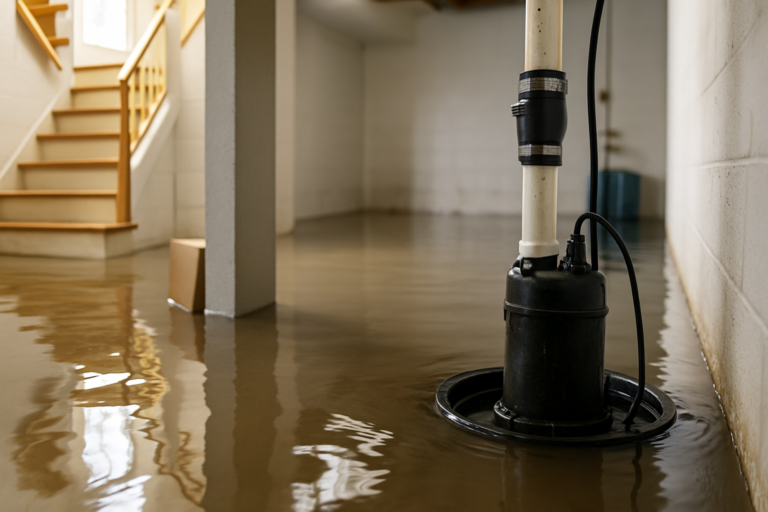
Find what let the water in. A split supply line means shutting the main valve. A dead sump pump means checking the breaker and the float switch. A backed-up floor drain means the problem sits downstream of your house. That last one changes who pays, so note it now.
Photograph Everything Before You Move It
Insurers and sewer agencies both want proof. Shoot wide photos of each wall, then close-ups of the waterline. Capture serial numbers on the furnace, water heater and washer. Keep ruined carpet and padding in the garage until someone has seen it.
Know Which Kind of Water Is in Your Basement
Restoration crews price the work by contamination class, not just by square footage.
Clean Water
This comes from a supply line, a water heater or a sump that simply stopped. It runs roughly $3.00 to $4.50 per square foot to extract and dry.
Gray Water
This comes from a washing machine, dishwasher or sink overflow. It carries soap, food residue and bacteria. Expect about $4.10 to $6.50 per square foot, because it needs sanitizing agents.
Black Water
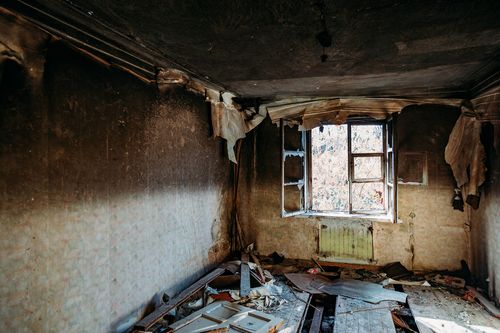
This is sewage backup, or storm runoff that crossed the yard first. It runs $6.25 to $8.50 or more per square foot. Porous materials that touched it get discarded, not cleaned.
Why One Oakland County Basement Floods and the Neighbor's Stays Dry
Two homes on the same street can take the same four inches of rain. The results are often completely different. Several local factors decide it.
Some Oakland County communities run combined sewers that carry storm water and sewage in one pipe. A long downpour loads that pipe, and the nearest low floor drain becomes the relief valve. Other communities run separated systems. There a basement usually floods from groundwater or a pump failure instead.
Lot grading matters just as much. Downspouts that end two feet from the foundation push water straight into the footing drain. So does a yard that slopes back toward the house.
Age plays a part too. Older drain tile clogs with silt and roots. A sump pump installed fifteen years ago may no longer keep up with a heavy storm.
Dry It Out Before Mold Starts
Mold is the expensive part of a flooded basement. The EPA is specific about the window. It advises drying water-damaged areas and items within 24 to 48 hours to prevent growth. Miss it and remediation typically adds $1,500 to $5,000 to the job.
Drying a basement is harder than drying a living room. Concrete and block hold water for days. Cool below-grade air carries less vapor, so passive drying stalls out. Opening the windows alone will not finish the job.
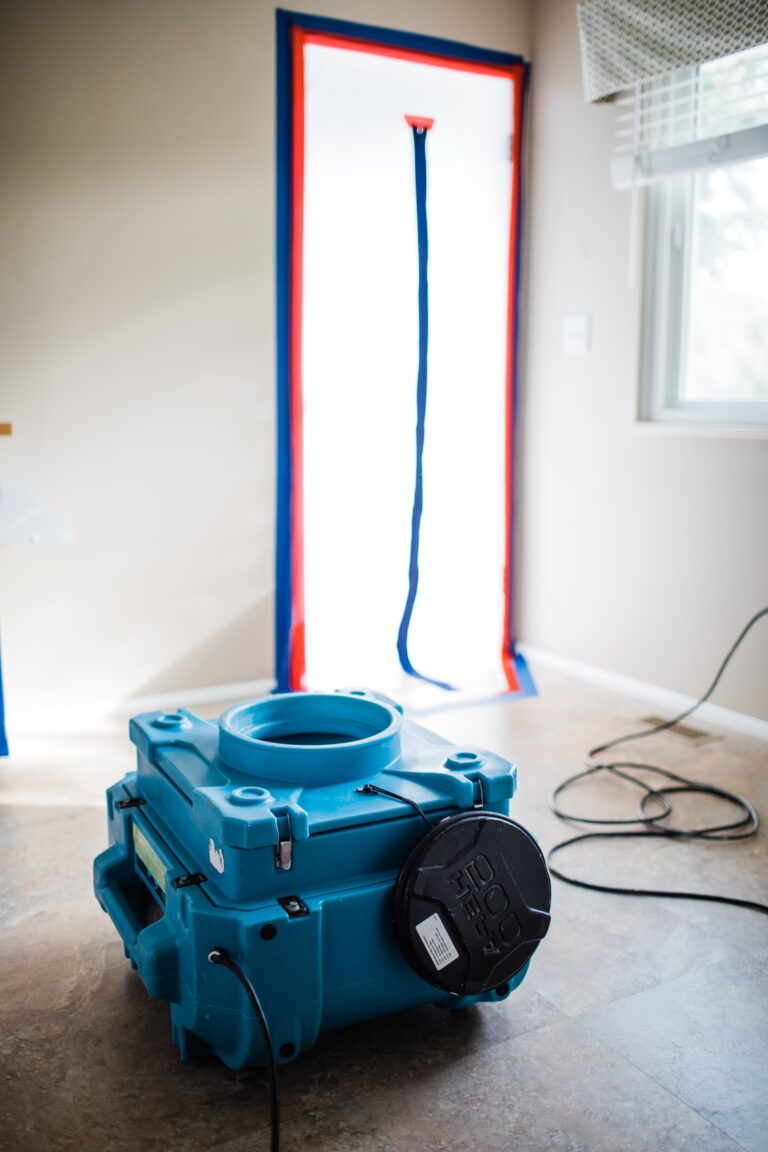
Professional crews set air movers against the walls and run dehumidifiers continuously. They pull baseboard and drill weep holes so trapped water can escape the wall cavity. Then they meter the framing and the concrete daily. The job is finished when the meter says so, not when the floor looks dry.
If water sat more than a day, assume the drywall and insulation behind it are wet. Pristine Clean's Mold Removal in Troy crews find most post-flood growth in exactly that cavity.
What Basement Flood Cleanup Costs in Oakland County
National figures put the average flooded basement cleanup near $4,000. Most homeowners land between $2,000 and $7,000. The spread is wide for real reasons.
- Minor seepage in an unfinished basement: roughly $500 to $2,500
- Moderate flooding, unfinished: roughly $1,000 to $4,500
- Moderate flooding, finished: roughly $2,500 to $9,000
- Severe flooding or sewage backup: $5,000 to $20,000 and up
What basement flood cleanup Oakland County homeowners pay comes down to finished space. Mitigation means pumping and drying. Reconstruction means replacing drywall, flooring, insulation and sometimes the furnace. Reconstruction usually costs more than the drying ever did. Pristine Clean itemizes the two separately so you can see which is which.
Will Insurance Cover It?
This is where homeowners get caught out. A standard policy covers sudden, accidental water from inside the house. A burst pipe qualifies. So does a washing machine hose that lets go.
A standard policy usually excludes these:
- Heavy rain and surface flooding from outside
- Groundwater seeping through foundation cracks
- Sewer backups and sump pump failures
A water backup and sump pump endorsement covers that third group. It usually runs about $30 to $250 a year. Storm flooding needs separate flood insurance, and basement coverage there is mostly limited to major systems. Oakland County's own emergency guidance tells residents to confirm sewer backup coverage with their insurer before they need it.
The 45-Day Deadline Most Michigan Homeowners Miss
If a public sewer backed up into your basement, you may have a claim against the agency that maintains it. Michigan's Public Act 222 sets a hard deadline. You must file written notice within 45 days of discovering the damage. Miss that window and the claim is gone.
The notice has to include specific details:
- Your name, address and phone number
- The address of the affected property
- The date you discovered the damage
- A brief description of the claim
Send it to whichever agency maintains your sewer. Your sewer bill will tell you which one that is. The Oakland County Water Resources Commissioner maintains systems in several communities. Those include Pontiac, Farmington Hills, Commerce Township, Bloomfield Hills, Walled Lake and White Lake Township. If your city runs its own system, the notice goes to the city instead.
Start the clock on the day you find the water. Do not wait for a contractor estimate first.
How to Keep It From Happening Again
- Add a battery or water-powered backup sump pump, because storms and outages arrive together.
- Install a backwater valve if sewer backup is your pattern. It is the only fix that stops the pipe.
- Extend downspouts at least six feet from the foundation.
- Regrade soil so it falls away from the house on every side.
- Test the sump pump twice a year by pouring a bucket into the pit.
- Move anything you care about off the floor and onto shelving.
Our guide to sump pump failure and basement flooding walks through that testing routine in more detail.
Frequently Asked Questions
1.Who should I call first when my basement floods?
2.Can I clean up a flooded basement myself?
3.How fast does mold grow after a basement flood?
4.Should I pump the water out all at once?
5.Does homeowners insurance cover a flooded basement from rain?
Pump It Out Before the Mold Clock Starts
Every hour that water sits, the job grows and the drying takes longer. Oakland County basements are cool, enclosed and slow to dry on their own. That is exactly the condition mold wants.
Pristine Clean runs extraction and structural drying across Troy and the surrounding Oakland County communities. Our Water Damage Restoration in Troy team meters the walls and framing instead of guessing when to stop. Call while the water is still there, and photograph the room before anything gets pulled out.