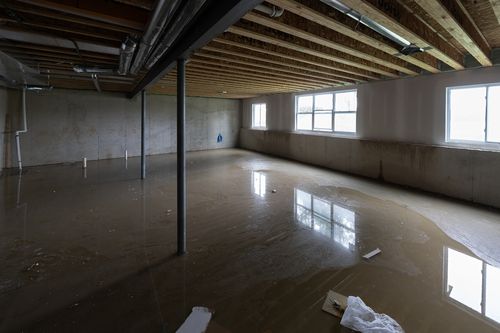
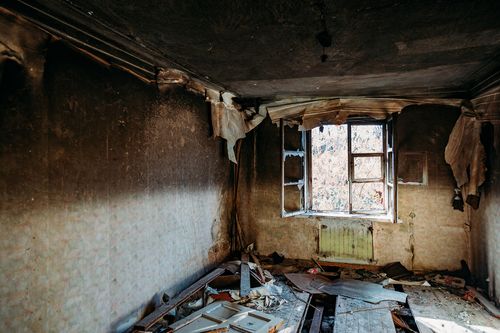
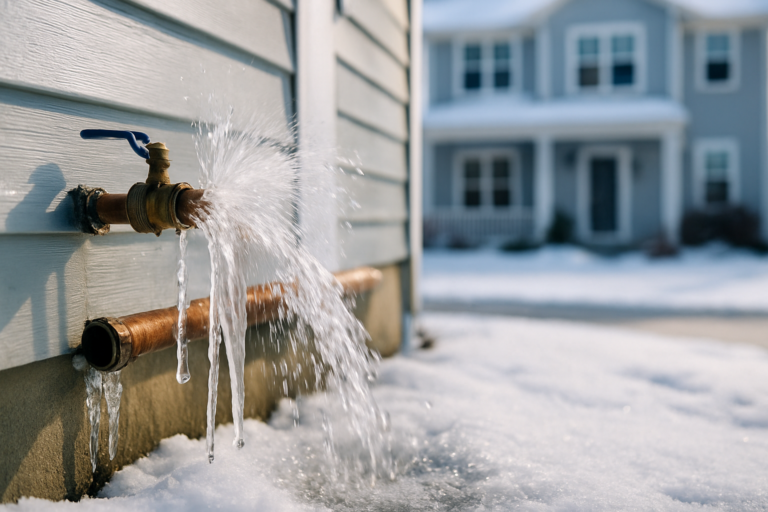
The basement flood is cleaned up, but a musty smell returns every time the furnace kicks on. In many Troy homes, the HVAC ducts are the overlooked victim of water damage. Damp ductwork can hide mold and push spores through every room.
Key Takeaways
- ›Water damage can leave ducts damp, and damp ducts can grow mold.
- ›Cleaning alone does not help if the moisture source is still there.
- ›Wet duct insulation usually cannot be cleaned and must be replaced.
- ›Fixing the water, then the mold, then the ducts is the right order.
How Water Damage Reaches Your Ducts
Ductwork often runs through basements, crawl spaces, and floors. A flood or burst pipe soaks those low runs first. High humidity after any water event lingers inside the metal. Condensation then forms where warm and cool air meet.
Why Wet Ductwork Grows Mold
Ducts collect dust, and dust is food for mold. Add moisture and darkness, and spores take hold fast. The blower then carries them into every room. That is how a basement leak becomes a whole-house problem.
The CDC ties indoor mold to coughing, congestion, and irritated eyes, which often worsen when the system runs.
Can Duct Cleaning Remove Mold?
Cleaning can remove loose debris and surface growth. It cannot fix the moisture that caused the problem. Skip that step and the mold simply returns.
The EPA advises that wet or moldy duct insulation cannot be cleaned and should be removed and replaced.
Sheet Metal Versus Insulated Ducts
Bare sheet-metal ducts can usually be cleaned and dried. Fiberglass-lined and flexible ducts are harder to save. Once their insulation gets wet, it holds moisture and spores. Replacement is often safer than a risky cleaning.
Signs of Mold in Your Ducts
A musty smell when the system runs is the clearest sign. Watch for dust or dark specks around the vents. Allergy symptoms that flare indoors add to the case.
If the smell persists, mold remediation in Troy can inspect and treat the system.
The Right Order of Operations
Order matters more than speed here. First, find and stop the water source. Next, dry the structure and the ductwork fully. Then remediate any mold before a final cleaning.
A water damage restoration team in Troy follows that sequence. Pristine Clean dries the system, treats the mold, and confirms the source is fixed.
The Health Case for Acting Fast
Mold in ducts affects the air you breathe all day. Children, seniors, and allergy sufferers feel it first. Coughing and congestion can linger without an obvious cause. Clean ductwork protects the whole household.
Why Source Removal Comes First
Cleaning a duct while the leak continues is wasted effort. The moisture simply feeds new growth. Stopping the water is the foundation of any real fix. Everything else builds on that first step.
What Professional Duct Work Involves
A thorough job is more than a vacuum hose. Technicians inspect each run for moisture and growth. They remove ruined insulation and treat metal surfaces. Then they verify the system is dry before restarting it.
Flexible Ducts and Hidden Moisture
Flex ducts have ridges that trap dust and water. Those folds are hard to clean and easy to overlook. Once moisture settles inside, mold spreads along the length. Replacing a bad run is often the cleaner choice.
The Cost of Ignoring It
A musty smell is easy to tune out for a while. Meanwhile spores keep circulating and settling. Growth can spread to walls, carpet, and belongings. A small duct issue can become a large cleanup.
Filters Are Not Enough
A good filter helps, but it is not a cure. It catches some spores while missing the source. Mold inside the ducts sits past the filter. Only fixing the moisture stops the cycle.
After the Repair: Keeping Ducts Dry
Prevention keeps the problem from returning. Fix leaks quickly and control basement humidity. Insulate ducts to limit condensation. A yearly check catches trouble before it spreads.
When Replacement Beats Cleaning
Some ducts are past saving after a soak. Crushed, rusted, or waterlogged sections should go. New ductwork restores airflow and clean air. A pro can tell you which runs are worth keeping.
How Mold Spreads From a Single Duct
One damp run can seed the whole system. Air pushes spores from that spot to every register. They settle on furniture, curtains, and walls. What began as a local leak turns into a home-wide issue over time.
Testing the Air Quality
A lab test settles the guesswork about your ducts. Samples show whether spore counts are elevated indoors. That reading guides how far the cleanup must go. It also confirms the air is safe when the work is done.
Do UV Lights Help?
UV lamps inside the system can slow some growth. They are a supplement, not a substitute for drying. Without fixing moisture, a lamp only masks the problem. Source control still comes first in every case.
Protecting Belongings During the Work
Duct cleanup can stir up settled dust and spores. Cover or move sensitive items before the job starts. Good crews seal registers and use negative air. Those steps keep the mess from spreading room to room.
Frequently Asked Questions
1.Will cleaning air ducts remove mold?
2.What happens if mold is in my air ducts?
3.How do you clean an HVAC system after mold?
4.Are there drawbacks to duct cleaning?
Clear the Air in Your Troy Home
Clean air should not come with a musty warning every time the heat turns on. If water damage touched your ducts, do not stop at the visible cleanup. Pristine Clean inspects the ductwork, removes the mold, and helps your Troy home breathe easy again.