Last spring, the Johnson family from Auburn Hills began to notice a strong musty odor in the basement. They assumed it was the dampness left over from winter. A couple of weeks later, they noticed their youngest child had a runny nose and frequent coughing spells. After a few trips to the doctor, they were determined to help the child but found no relief.
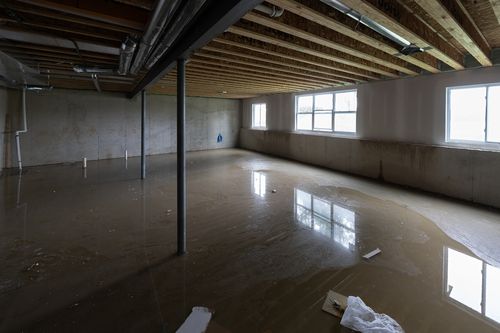
One day, while cleaning, Mrs. Johnson noticed some strange discoloration behind a shelf that was located against the wall. As she cleared away the shelf, she stumbled back in horror upon seeing blackish-green spots growing on the drywall. They quickly called a Mold Remediation Company in Auburn Hills. The findings were frightening: the space had an extensive mold infestation caused by a small, slow pipe leak that had gone undetected and had spread across a large portion of their basement.
In this blog, we will outline how to recognize signs of mold in your home and explore reliable options to help disinfect the area and get your home clean, safe, and healthy again.
What Causes Mold to Grow in Our Homes?
Mold grows well in warm (around 70 degrees Fahrenheit), damp, and humid environments. Mold is classified as a fungus. Some mold spores can be quite virulent, and these spores spread easily through the air. Mold spores are prevalent in the air and are usually present in tiny amounts. Things only become a priority when spores get moisture and start to grow. Some common causes of mold in your home include:
- Water leaks (from pipes, roofs, or windows)
- Flooding and poor drainage
- Indoor high humidity
- Areas with poor ventilation (i.e., bathrooms and basements)
- Wet or damp building materials or upholstery
With Auburn Hills having a mix of humid summers and cold, wet winters, this creates mold challenges in homes that are not ventilated or taken care of properly.
Common Signs of Mold in Your Home
It is very important to identify mold as soon as possible to limit damage and health risks. Some of the most common indicators of indoor mold include:
-
Leftover Musty Odor
If you have ever walked into a room and been slapped in the face with an earthy, damp smell that will not go away no matter how much you clean or ventilate the room, this is a classic sign of mold. Mold releases microbial volatile organic compounds (mVOCs), which produce the musty smell.
-
Discolorations and Stains
Mold growth can be different colors: black, green, white, grey, and at times orange. It can appear fuzzy, slimy, and can easily grow on many indoor surfaces in your home, such as walls, ceilings, tiles, and wood furniture. Sometimes, it looks like dirt or soot, so be careful of persistent discoloration after you clean.
-
Health Symptoms Without a Certain Diagnosis
People who are living in a moldy residence can have:
- Stuffy or runny nose
- Sneezing
- Coughing
- Itchy eyes
- Skin irritation/rashes
- Worsening of asthma or allergy symptoms
These symptoms may get better once the person leaves the environment. Again, this may indicate that mold is present.
-
Water Damage or Stains
Old water leaks can leave yellow or brown stains on walls or ceilings. Hidden moisture may still be present, which can cause mold to grow inside walls or underneath flooring, even if they look dry.
-
Peeling or Bubbling Paint and Wallpaper
If the paint or wallpaper is peeling or bubbling off the wall, there may be excessive moisture problems below the surface, one of mold’s preferred hiding places.
-
Condensation on Windows or Walls
Consistent condensation can also be an indication of high humidity levels in your home, which can be a precursor to mold growth.
Where Mold Likes to Hide
Certain spots within your home will be more likely to have mold because of higher humidity or a lack of airflow. Be sure to check these spots regularly:
- Basements – These areas are usually poorly ventilated and prone to leaks and flooding.
- Bathrooms – The steam from showers and spills from sinks and tubs make these areas prime real estate for mold.
- Attics – Roof leaks and blocked vents allow moisture to build up and become trapped.
- Kitchens – Under sinks, behind refrigerators, and around dishwashers.
- Laundry Rooms – Moisture accumulates behind the washer and dryer.
Mold Solutions for the Home
Step One: Identify the Moisture Source
Before you can treat and remediate any mold, you need to identify any moisture sources. Look for plumbing leaks, roofing issues, drainage problems, etc. Controlling moisture through dehumidifiers and ventilation is also important.
Step Two: Clean Small Mold Spots (with caution)
Homeowners may be able to clean mold patches when less than 10 square feet of mold-affected area is present. Homeowners should wear gloves, goggles, and a mask, and use non-toxic cleaning products such as vinegar or baking soda.
Step Three: Contact Mold Remediation Professionals
In cases where mold is in larger patches or if mold is behind walls or the floor, then calling in the professionals is in the homeowner’s best interest. Auburn Hills Mold Remediation providers are equipped with industrial equipment as well as HEPA filtration systems to:
- Isolate the mold-affected area to mitigate the spread of spores
- Remove affected building materials and porous surfaces
- Clean and disinfect all surfaces in the affected area
- Dehumidify the affected area to eliminate moisture
- Test the area to verify that air quality meets industry standards
Why Mold Cleanup Is NOT a DIY Project for Everyone
Many homeowners may try to take on the mold themselves; however, substantial mold can cause harm to the homeowner’s health and expose their family to hidden dangers. Unprofessional removal by inexperienced individuals may release spores into the air, spreading them to other parts of the house.
A licensed Mold Remediation Company Near Me guarantees thorough inspection, containment, and restoration.
How to Protect a Home from Mold
Many homeowners want to know where to put their focus and attention to prevent mold. Here are some simple recommendations to consider:
- Exhaust fans in bathrooms and kitchens are invaluable
- Repair leaking pipes and roofs as soon as possible
- Ensure gutters and downspouts properly direct water away from the residence
- Use dehumidifiers in damp areas
- Insulate cold surfaces, windows, and pipes
- If there is water-damaged material, clean and allow the material to dry out as soon as possible, preferably within 24 to 48 hours, to limit mold growth.
Greater attention to how a homeowner protects their home in Auburn Hills is a plus for those seeking improvements to mold prevention.
Conclusion: It’s Time to Act, Don’t Sit Around Waiting
Mold is a problem that can be far greater than one day’s worth of issues. As we have seen, mold poses serious risks to the family’s health and the home itself. As the Johnson family in Auburn Hills learned much too late, prevention starts with recognizing an initial mold event and reacting promptly with effective remediation. However, with the right action steps, the required intervention via a reliable Mold Remediation Service Auburn Hills provider can restore the home’s cleanliness and safety.
At Pristine Clean & Restoration, we provide extensive mold identification, containment, and removal services for residences across Auburn Hills and surrounding areas. We have certified professionals with many years of experience using state-of-the-art equipment to protect our clients’ homes.
Pristine Clean provides free consultations and complete remediation solutions. We are committed to excellence, transparency, and our clients’ peace of mind. Don’t get buried with mold, call us today and receive service you can trust.