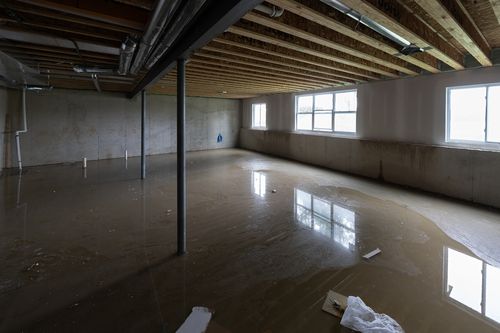
A spring storm rolls through Troy and knocks out the power for hours. Down in the basement, your sump pump goes silent just as groundwater peaks. By the time the lights flicker back on, you have inches of water and a soaked finished basement. A sump pump failure is one of the most common ways a Troy home floods. It almost always strikes at the worst possible moment.
Key Takeaways
- ›Most sump pump failures trace back to power loss, a stuck float, or an aging motor.
- ›A battery backup and regular testing prevent the majority of failures.
- ›If water is already rising, cut the power to the area and call for cleanup fast.
Why Sump Pumps Fail When You Need Them Most
A sump pump sits idle for weeks, then has to work hard during a single storm. That pattern is exactly why they fail under pressure. Knowing the common causes helps you head them off before the water rises.
Power Outages During Storms
The same storm that dumps rain often takes out the power. A standard pump runs on house current, so no power means no pumping. This is the number one cause of failure in a Michigan storm, and it hits when groundwater is highest.
A Stuck Float or Switch
The float switch tells the pump when to turn on. Debris, a shifted pump, or a tangled cord can jam that float. When the switch sticks, the motor never starts even though water is pouring in.
An Aging or Undersized Motor
Most sump pumps last about seven to ten years. An older motor can burn out or lose power right when demand spikes. A pump that is too small for your basement also falls behind during heavy Troy rains.
What a Failed Pump Does to a Troy Basement
When the pump quits, water has nowhere to go but up through the sump pit. In a finished Troy basement, it soaks carpet, drywall, and anything stored on the floor. The damage adds up by the hour, not the day.
Standing water is only the first problem. According to the EPA, mold can begin growing within 24 to 48 hours of water exposure. That is why a fast response matters more than a perfect cleanup. Pristine Clean sees this exact scenario after nearly every major Troy storm. Our guide on the first 24 hours after water damage walks through those first steps.
How to Prevent Sump Pump Failure
Prevention is far cheaper than cleaning up a flooded basement. A few upgrades and habits protect your home through the wettest Troy months.
Install a Battery Backup
A battery backup pump kicks in the moment the power drops. It is the single best defense against a storm-driven failure. Some homeowners add a water-powered backup as a second layer for long outages.
Test the Pump Regularly
Pour a bucket of water into the sump pit every few months. The pump should switch on, clear the water, and shut off. If it hesitates or runs rough, service it before the next storm.
Keep Up With Maintenance
Clear the pit of gravel and debris that can jam the float. Check that the discharge line runs well away from the foundation. A sump alarm is a cheap add-on that warns you the moment the water gets too high.
What to Do If Your Basement Already Flooded
Even a maintained pump can be overwhelmed in an extreme storm. Act fast to limit the damage and stay safe.
First, do not step into standing water near powered outlets or appliances. Cut the power to the basement at the breaker if you can reach it safely. The Red Cross urges homeowners to avoid floodwater that may hide electrical or contamination hazards.
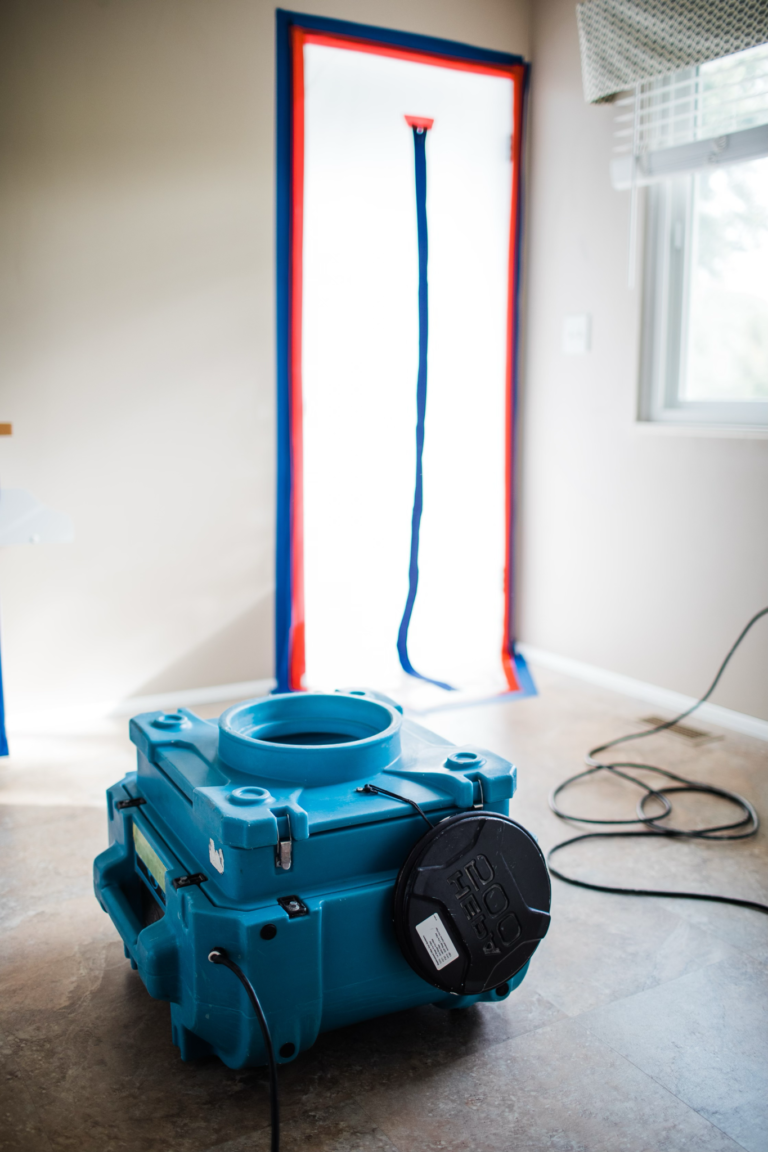
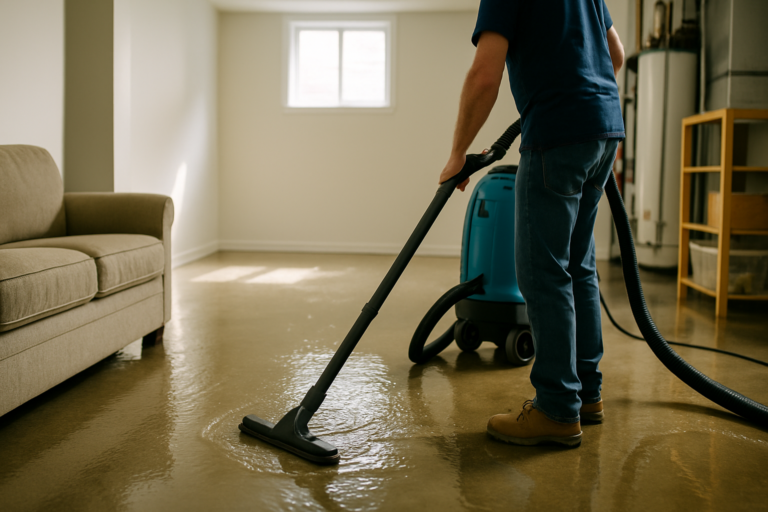
Next, document everything with photos before you move items. Then reach a water damage crew quickly, because drying the space fast is what limits mold. Our tips on preventing recurring water damage help keep it from happening twice.
Frequently Asked Questions
1.Will my basement flood if the sump pump fails?
2.Does insurance cover flooding from a sump pump failure?
3.Why is my sump pump running but not clearing water?
4.How often should I replace my sump pump?
Don’t Let a Dead Pump Flood Your Troy Home
A sump pump only matters on the day it fails, and that day is usually a storm. A battery backup, routine testing, and quick maintenance stop most failures before they start. When water does get in, fast drying is what saves your Troy basement. If a failed pump floods your home, reach out to Pristine Clean for rapid extraction and full restoration before mold sets in.