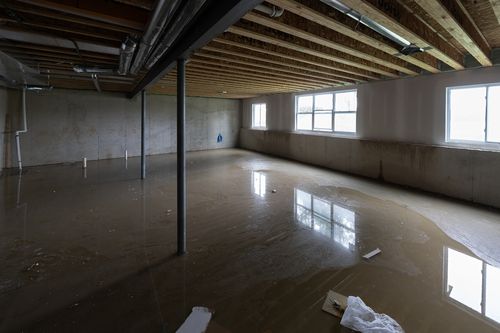
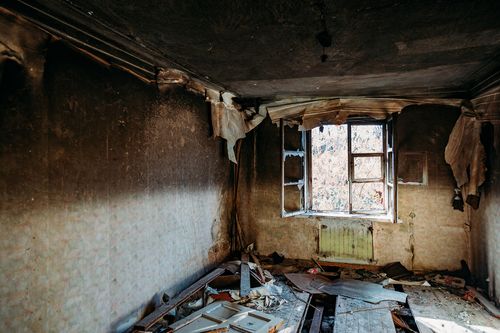
Mold growth occurs in an environment where the air is wet and humid, as is often the case in Auburn Hills. For example, a roof leaks, there is flooding in the basement, pipes leak, or condensation forms on beams or rafters due to temperature changes.
Once the mold spores have settled on a suitable substrate, many fungi will quickly grow and spread to other areas through the walls, air conditioning ducts, and flooring. Without professional mold remediation services in Auburn Hills, the spread of mold can have a detrimental impact on indoor air quality, lead to health issues, and ultimately compromise the structural integrity of a building.

The Importance of Professional Mold Cleanup
Most methods of removing mold yourself will mostly fail, as they usually do not remove the hidden, contaminated materials, and they will not address the source of the moisture that allowed the mold to grow in the first instance. Only a professional will ensure that the mold removal is done in a manner that will not contaminate other areas of your property with mold spores.
Professionally certified mold remediation teams will use all proper mold remediation protocols and procedures, as well as professional equipment and containment systems, to protect the health and safety of the property owner and/or tenants. Professional mold remediation will not only remove existing mold but will also prevent the same type of mold from recurring.
Step 1: Identifying Visible & Hidden Mold Growth
The first step in a professional mold remediation is inspecting the property thoroughly to identify visible mold growth and to reveal the presence of hidden contaminated materials behind walls, underneath floors, and in ceilings of the property. In order for a mold remediation inspector to perform inspections accurately, inspectors may utilize many different tools (moisture meters, infrared thermal imaging cameras, and visual inspections).
Identifying all areas of mold growth is critical to developing a mold remediation plan that will result in the largest possible coverage area of all that may be affected by the mold and for defining the full scope of the property’s mold remediation services.
Determining the Severity of Mold Growth and Containment Requirements
Upon completion of identifying where mold is present within the property, the mold inspector will next evaluate the severity and scope of the contaminated materials. Only after assessing the severity of the mold contamination will the mold inspector determine whether localized mold containment or full containment of the affected areas will be necessary.
The mold inspector will evaluate the severity of contamination, which helps formulate a safe mold remediation process that prevents cross-contamination while conducting the mold removal.
Step 2: Prevention of Mold Regrowth Through Containment
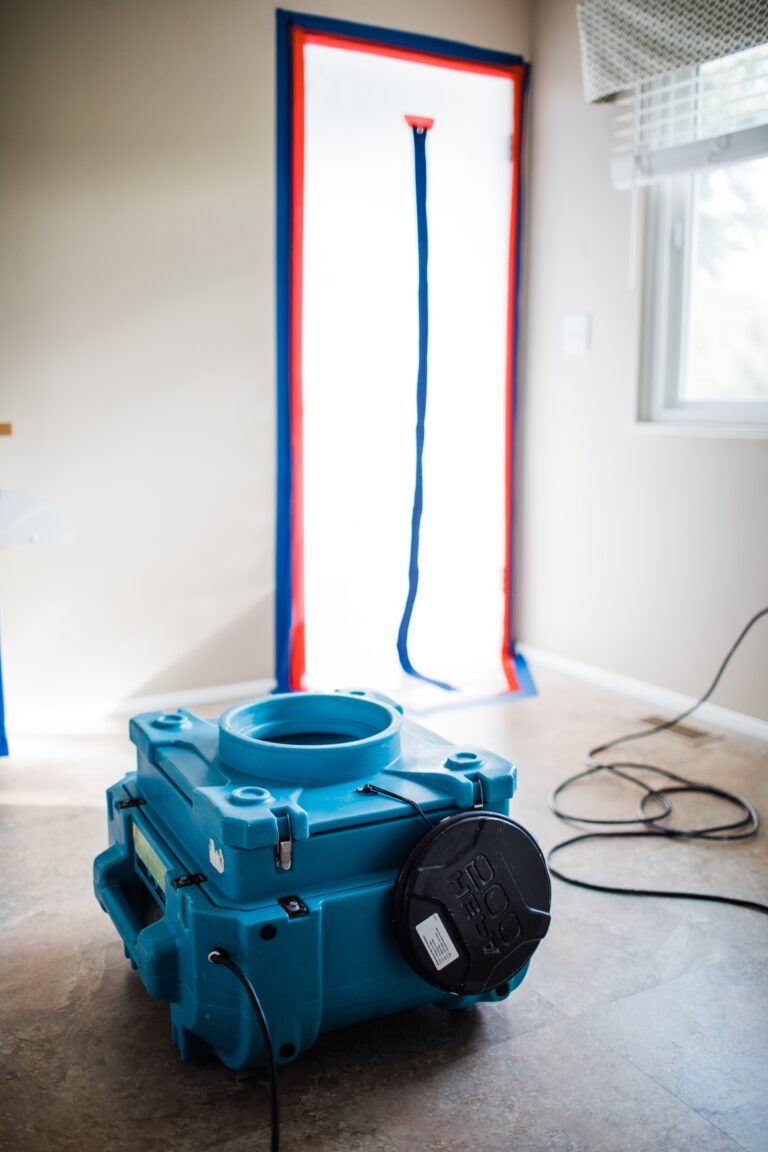
In order to prevent the growth and distribution of mold spores from moving outside of the contaminated areas of the property while conducting mold remediation, it is necessary to establish containment systems, which include physical barriers consisting of plastic sheeting, along with the use of negative air pressure systems.
Negative air pressure systems function by drawing contaminated air out of the property, thereby preventing new mold spores from entering or being produced after removal of the contaminated material. Mold Remediation Auburn Hills services provide a safe environment for both occupants and technicians by utilizing proper containment methods.
Maintaining Air Pressure Control
Negative air machines (with HEPA filters) will continuously draw contaminated air from the contained work area. This continual flow of contaminated air protects all surfaces in the work area from airborne mold spores, which will then be removed to a safe location.
Maintaining negative pressure within the work area also reduces the chances of further mold growth in areas outside the containment.
Step 3: Air Filtration and Airborne Spore Removal
High-efficiency particulate air (HEPA) air scrubbers are used to eliminate mold and other microbial contamination from inside the work area. Using these systems throughout the mold remediation process ensures that the air within the work area is safe to breathe.
Air scrubbers are an integral part of any Mold Remediation Auburn Hills project, particularly when occupied homes or businesses are involved.
Improving Indoor Air Quality
Air filtration systems help improve indoor air quality in addition to removing mold spores. In doing so, they reduce allergens and irritants from the indoor environment.
For people who suffer from respiratory conditions or sensitivities to mold, filtered air helps create a healthier indoor environment during and after the remediation process.
Step 4: Safe Mold Removal and Material Disposal
Removing Contaminated Building Materials
If drywall, insulation, or carpeting is found to be heavily infested with mold, these materials will need to be removed and disposed of in accordance with local health regulations. Anything that cannot be removed will be cleaned and disinfected using antimicrobial cleaning products.
By utilizing a professional to remove the mold, you can rest assured that mold spores will not be disturbed or spread throughout the home or business during the remediation process. Mold remediation will not be successful unless all remaining surfaces are free and clean of mold. All residual spores will be eliminated using an extensive cleaning process and eco-positive products approved by the EPA.
After excess materials have been cleared from the affected areas, the remaining surfaces will receive a thorough cleaning and will also be treated with eco-friendly, EPA-approved antimicrobial products. By removing all residual mold spores, the possibility of future regrowth will be eliminated.
This process represents an important part of the Mold Remediation Auburn Hills process and is necessary to achieve successful results.
Post-Remediation Inspection and Final Clearance Testing
After completion of remediation, a final inspection will occur to verify that mold has been eliminated from the premises through visual inspections and moisture readings.
As part of this verification process, clients are assured of the quality of Mold Remediation Services in Auburn Hills.
Optional Clearance Testing
In some cases, additional air or surface testing may be conducted to validate that mold spore levels fall within acceptable standards. For the property owner, passing the clearance test results enhances confidence in the safety of the overall environment.
Passing clearance test results indicate that the affected area is now safe for human occupancy.
FAQs About Mold Remediation
How long does the process take for professional mold remediation?
The timeline depends on the level of contamination and the amount of moisture present. Smaller projects can be completed in 1–3 days, whereas larger or hidden mold issues may take additional time for drying to ensure all affected areas are dry before remediation verification.
Is it safe for occupants to remain in their homes during professional mold remediation?
Yes. A professional mold remediation service will have containment and air filtration systems in place to avoid mold spore exposure during the project.
Will mold return after professional remediation?
Yes, if moisture problems are not addressed. Professional remediation addresses both mold removal and moisture control to minimize the chances of mold regrowth.
Will I need to move out of my home during the professional mold remediation process?
In most cases, occupants may remain in unaffected areas of the property. However, in cases of extreme contamination, temporary relocation may be required to ensure occupant safety.
Will I experience an improvement in indoor air quality after the professional mold remediation process?
Yes. By removing mold and airborne spores, indoor air quality improves, and allergens and irritants are reduced.
Final Thoughts: Always Rely On Experts for Safe Mold Removal
Professional mold remediation is an organized, multi-step service designed to protect occupant health, property, and indoor air quality. Through inspection, containment, removal, drying, verification, and protection against recurrence, service providers ensure safe, effective, and thorough mold removal.
Pristine Clean provides professional mold remediation services for residential and commercial properties in Auburn Hills. Our trained professionals follow the highest industry standards to ensure the removal of harmful mold, proper moisture control, and restoration of a healthy indoor environment.
We have gained a reputation for precision, transparency, and long-lasting results, and are a reliable, trusted source for professional Mold Remediation in Auburn Hills. Contact us today to schedule a restoration service.